[카테고리:] 블로그 (Blog)
-

Overcoming Methodological Challenges in Rare Disease Research
How to Address Methodological Challenges in Rare Disease Research Researching rare diseases is challenging due to small patient populations, diverse symptoms, and limited existing data. These challenges can make understanding patient needs and developing effective treatments difficult. This article explores strategies to overcome these hurdles, improving research outcomes and patient care. Collaborative Research Networks One…
-

Hypertrophic Cardiomyopathy: The Impact of ALPK3 Gene Mutations
Hypertrophic cardiomyopathy (HCM) is a prevalent heart condition in South Korea, affecting about 1 in 300 people. This disease involves the thickening of the heart muscle, which can lead to heart failure and sudden cardiac death. Traditionally, mutations in sarcomere protein genes like MYBPC3 and MYH7 are linked to HCM. However, the ALPK3 gene, typically…
-
Best Practices for Medical Staff to Accurately Diagnose Rare diseases
Diagnosing rare genetic diseases presents unique challenges due to the complexity and variability of symptoms. Accurate diagnosis is critical for effective treatment and management. Here are some best practices for medical staff to enhance the accuracy of diagnosing these conditions. 1. In-Depth Symptom Observation Thoroughly observing and documenting a patient’s symptoms is crucial. Detailed information…
-

Genetic Testing for Consanguineous Marriages: Reducing Risks of Hereditary Diseases
Consanguineous marriages, or unions between closely related individuals, are common in certain cultures and regions, particularly in the Middle East and parts of South Asia. This tradition, while culturally significant, has notable implications for the prevalence of genetic disorders, including non syndromic hearing loss (NSHL), cystic fibrosis, thalassemia, and congenital disabilities. Genetic Implications of Consanguineous…
-
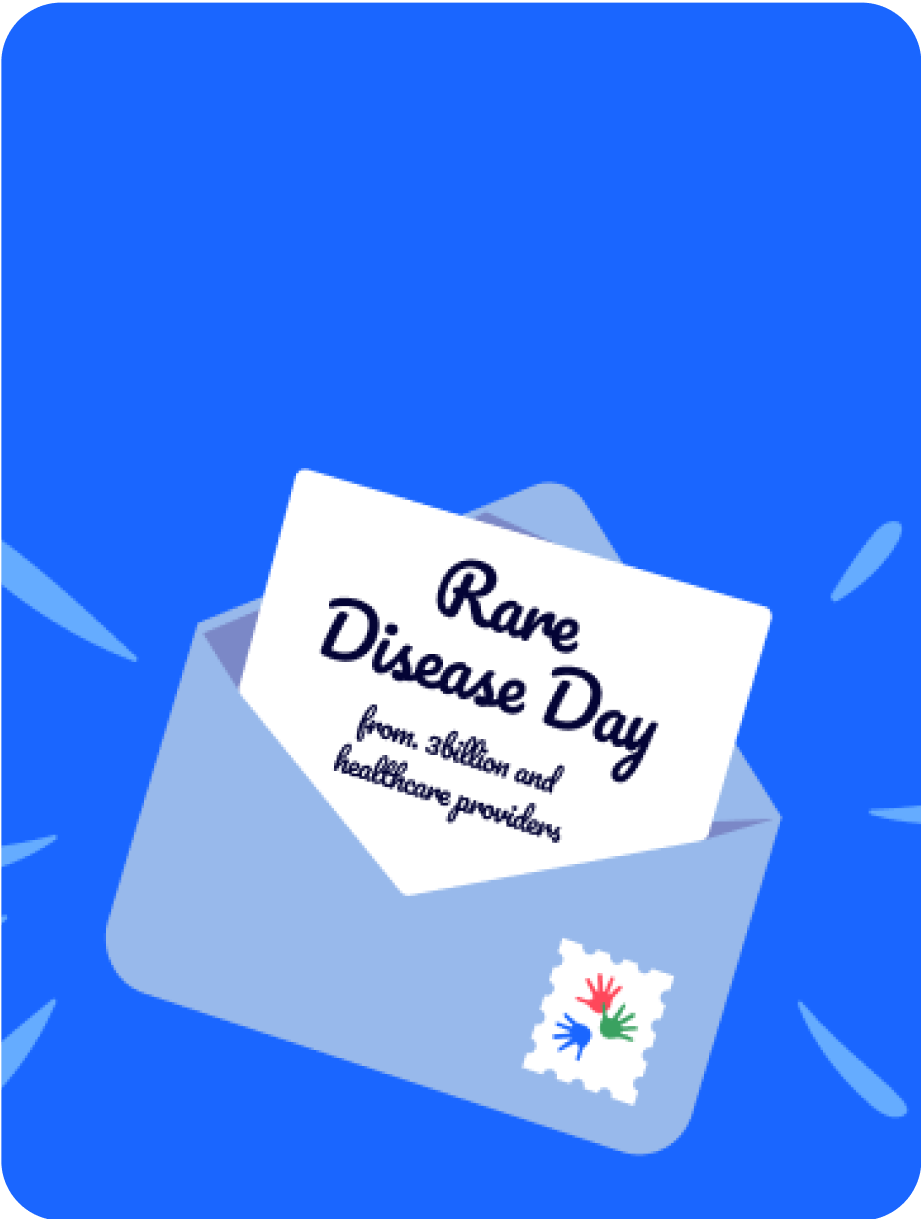
Feb 29, 2024, Today is Rare Disease Day
Today is February 29th, the Rare Disease Day. About 4% of the world’s population, around 300 million, suffer from rare diseases. However, due to a lack of social awareness, experts, and diagnostic and therapeutic skills, accurate diagnosis and treatment are rarely performed. Rare Disease Day, a global movement in solidarity with rare diseases, strives for…
-

3 Proven Actions You Should Take for Undiagnosed Patients After Exome Sequencing
What Should You Do If Your Patient Remains Undiagnosed After Exome Sequencing? Diagnosing patients with rare or undiagnosed conditions poses significant challenges for medical professionals. Medical professionals are left with many questions when initial genetic tests like Exome Sequencing (ES) do not yield precise results. This guide outlines three essential actions medical staff should take…
-
The Future of Genetic Diagnostics: NGS, Reanalysis, and Collaboration
Next-generation sequencing has revolutionized genetic research by allowing for the rapid and cost-effective sequencing of entire genomes. This technological leap has not only facilitated initial gene discovery but also enabled continuous reanalysis of genetic data. The dynamic field of genetic medicine has greatly benefited from continuous reanalysis of genetic data, leading to the discovery of…
-

Case of Cardio-facio-cutaneous syndrome: The Critical Role of Genetic Testing
Rare diseases often present unique challenges in the medical field, not least of which is obtaining a timely and accurate diagnosis. For numerous patients and families, navigating the stages of the diagnostic odyssey to understand and manage a rare disease condition is marked by uncertainties, frequent misdiagnoses, and, often, prolonged years of seeking answers. However, the advent of genetic…
-

Global rare disease diagnosis cooperation using ClinVar
What is ClinVar? ClinVar is a public database operated by the U.S.A. National Institutes of Health (N.I.H.), in which information about variants associated with human phenotypic information is saved. Since the celebration of the submission of a million cases by 73 countries in 2019, as of Aug. 3rd, 2022, more than 2.3 million cases have…
-

Why is Panel Sequencing Being Replaced?
Panel sequencing is being replaced In recent years, the use of genetic testing has become increasingly important in the diagnosis of rare diseases. With more than 7,000 rare diseases affecting over 400 million people worldwide, identifying the underlying genetic cause of these conditions can be a challenging task for clinicians. Panel sequencing has shown great…