[태그:] Achondroplasia
-

Hypochondroplasia vs. Achondroplasia: What Distinguishes Them
Key summary 1. Two conditions, one gene, two hotspots Achondroplasia has an unusually concentrated molecular basis. More than 99% of patients carry one of two changes at a single position — c.1138G>A or c.1138G>C — and both produce p.Gly380Arg [9]. That concentration is what makes targeted testing so efficient, and what makes it a trap…
-
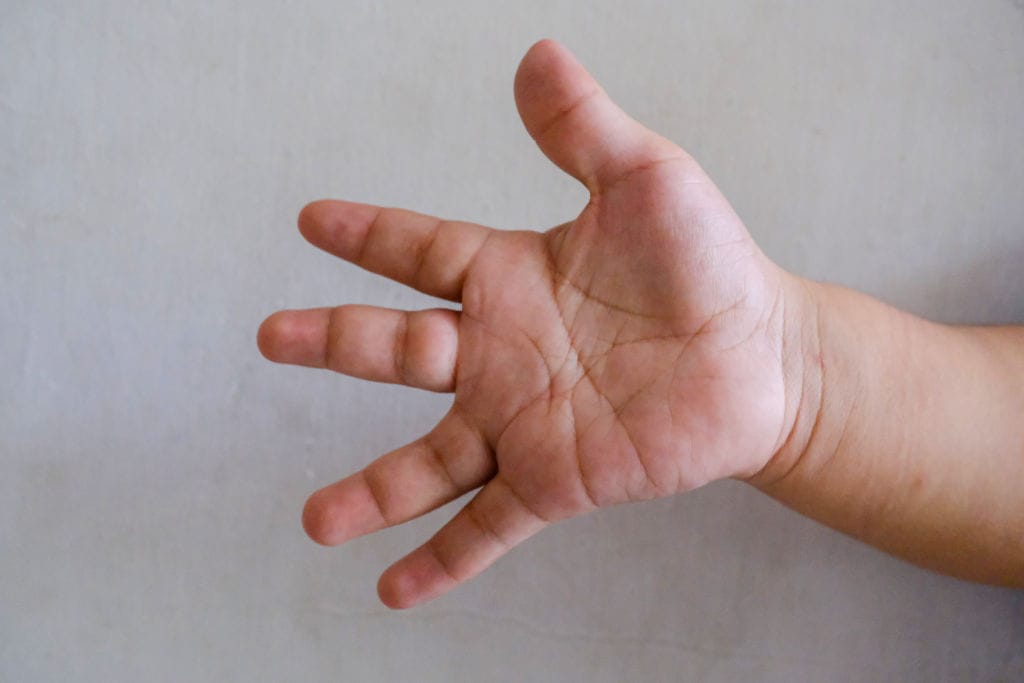
Achondroplasia in Children: From the FGFR3 Mutation to Voxzogo, the First Targeted Therapy
Key summary 1. What is achondroplasia? Achondroplasia is a rare skeletal disorder and the most common cause of disproportionate short stature. It occurs in roughly 1 in 15,000 to 40,000 births. Despite its name, cartilage is not absent; rather, the conversion of cartilage into bone (ossification) is disrupted, which limits the growth of the long…
-
소아 연골무형성증: 원인 유전자 FGFR3와 최초의 표적 치료제 복스조고(Voxzogo) 완벽 정리
핵심 요약 1. 연골무형성증이란 어떤 질환인가요? 연골무형성증(Achondroplasia)은 드물지만, 가장 흔한 비대칭성 저신장증(왜소증)을 유발하는 골격계 희귀질환입니다. 전 세계적으로 약 15,000~40,000명당 1명꼴로 발생하며, ‘연골무형성증’이라는 이름과 달리 연골 자체가 없는 것이 아니라, 연골이 뼈로 바뀌는 과정(골화)에 이상이 생겨 긴뼈의 성장이 제한되는 질환입니다. 핵심 특징: 2. 연골무형성증은 왜 생기나요? — 멈추지 않는 ‘성장 브레이크’ 이 질환은 단 하나의 유전자,…