[작성자:] Ashley Zhu
-
Noonan Syndrome | Karyotype and Genetic testing
Noonan Syndrome is a genetic disorder that affects various parts of the body. It is characterized by distinctive facial features, developmental delays, and potential heart defects, among other symptoms. 3billion, which offers genetic testing for rare diseases, has also provided many reports of diagnoses with Noonan syndrome. In this article, we delve into the role of…
-

Dravet Syndrome | Symptoms, Genetic testing
About DRAVET SYNDROME DRAVET SYNDROME is a severe form of rare genetic seizure disorder, which symptoms include frequent and prolonged seizures.80~90% of its cases occur from mutations in the SCN1A gene on chromosome 2. PREVALENCE / ONSET Prevalence Dravet syndrome affects approximately 1 in 40,000 globally. It is estimated to affect 1 in 28,000 individuals in the…
-

How to communicate with your patients: 7 practical tips
A small change in tone or choice of words for you, or a few minutes to get to know the patient may seem trivial, but on the worst days of our patients’ lives, it can make all the difference. Effective communication between physicians and their patients is a key component of good medical practice. Enhancing…
-
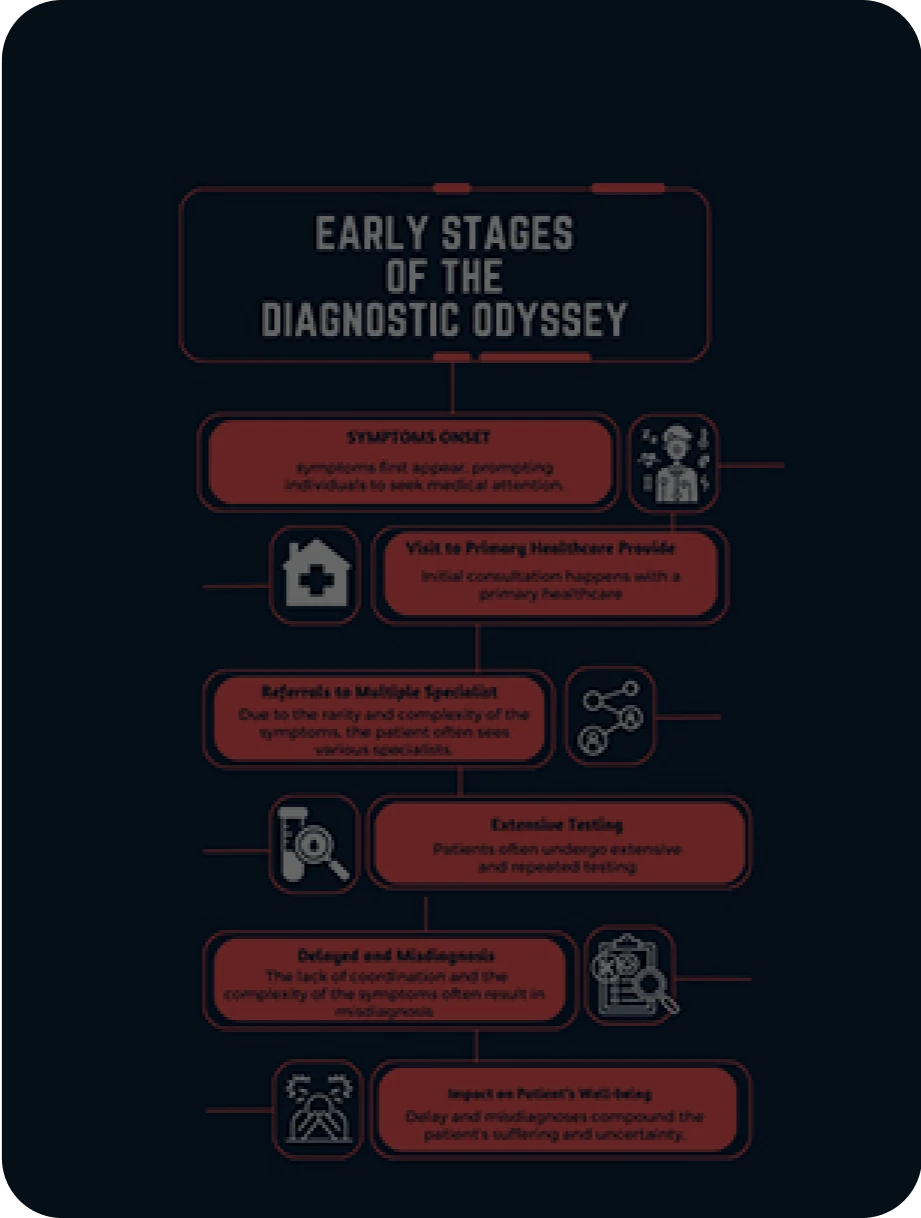
Understanding the Diagnostic Odyssey in Rare Disease Diagnosis: Journey, Challenges, and Solutions
Navigating the diagnostic journey for rare diseases can be complex and daunting for patients and their families. Often described as a “diagnostic odyssey,” this process involves extensive testing, consultations with multiple specialists, and a significant emotional toll before reaching a correct diagnosis. This article explores the intricacies of this journey, the role of advanced technologies,…
-

Why phenotypes matter for genetic testing?
You probably have heard a lot that phenotyping plays a critical role in diagnosing rare disease patients. What is phenotyping and why does it matter so much? And since it is so important, how can it be done properly to support the diagnosis? What is phenotyping? The term “phenotype” refers to the set of observable…
-

Limitation of NGS: Spinal Muscular Atrophy (SMA) Genetic testing
Owing to the combined technology of massive parallel sequencing and bioinformatic analysis in a short time, the next-generation sequencing (NGS), has been widely used for disease diagnosis, prognosis, therapeutic decision, and follow-up of patients replacing the traditional genetic testing such as single gene testing using Sanger sequencing. Despite the fact that NGS has the strong points like…
-
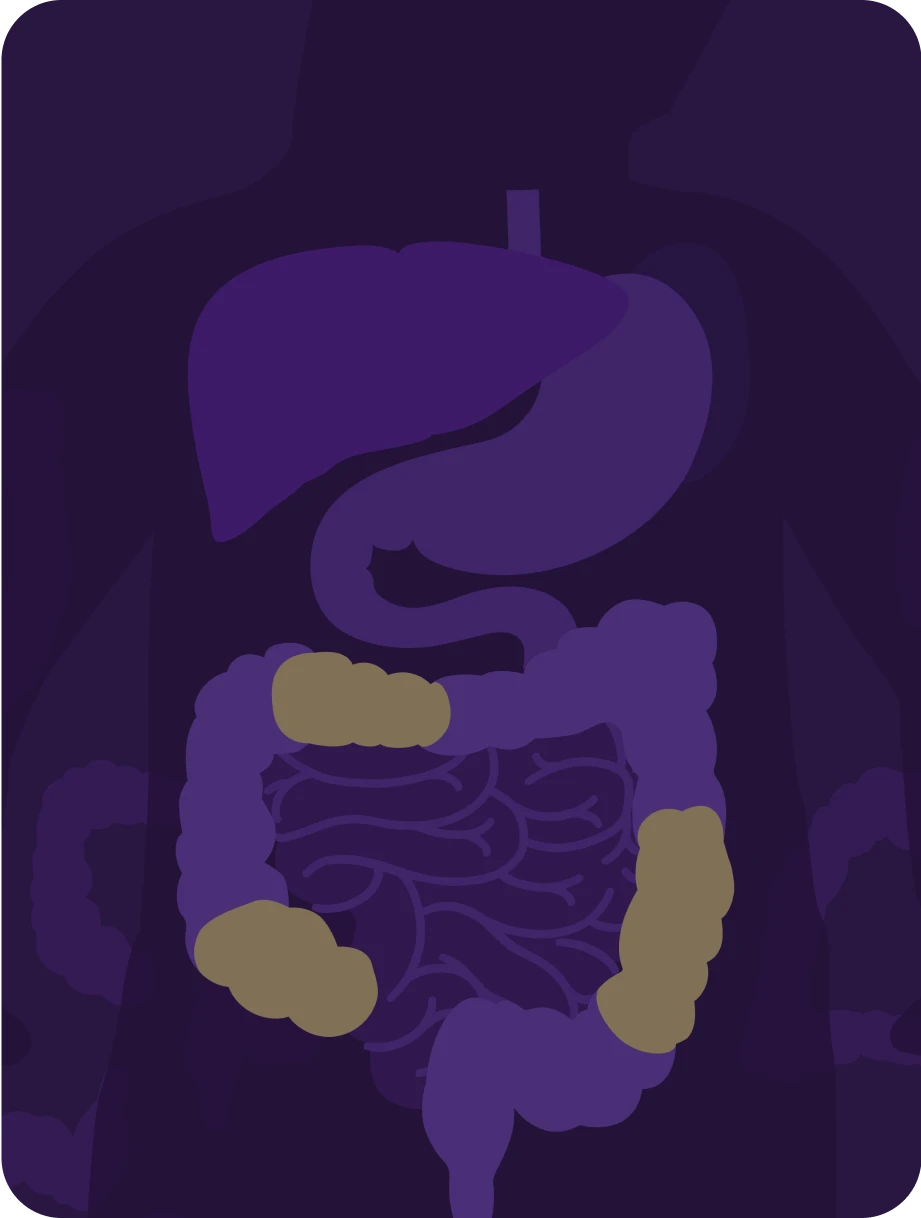
Crohn’s disease | Symptoms, Genetic Testing
About Crohn’s disease Crohn’s disease is a rare genetic disorder, a well-known type of inflammatory bowel disease (IBD). It is usually characterized by inflammation of the digestive system leading to abdominal pain, diarrhea, fatigue, weight loss, and malnutrition. The cause of Crohn’s disease is complex. By complex, it means that genetic, environmental, and lifestyle factors…
-
Limitation of Microarrays : Rare disease diagnosis
When it comes to the diagnosis of rare diseases, the advancements in genetic testing technologies have opened up new possibilities. Microarray testing, a powerful tool in genetic analysis, offers valuable insights into the genetic landscape of individuals with undiagnosed conditions. However, it’s important to acknowledge that like any diagnostic method, microarray also has its limitations.…
-
What is Variant Specific Testing?
Once a patient is diagnosed, it can be recommended for family members such as parents or siblings to be tested using a Variant Specific Test. What is a Variant Specific Test (VST)? What is its purpose? What are its benefits? Let’s take a closer look. What is Variant Specific Testing? A Variant Specific Test (VST)…
-

Rare Diseases in Movies: The Life of Patients with Rare Diseases
Do You Ever Wonder About the Lives of Patients with Rare Diseases? Although a “rare disease” can mean different things, it generally refers to a disease affecting a small population. The WHO defines a rare disease as one that affects less than 65 people per 100,000, while the EU defines it as a disease that…