[카테고리:] 블로그 (Blog)
-
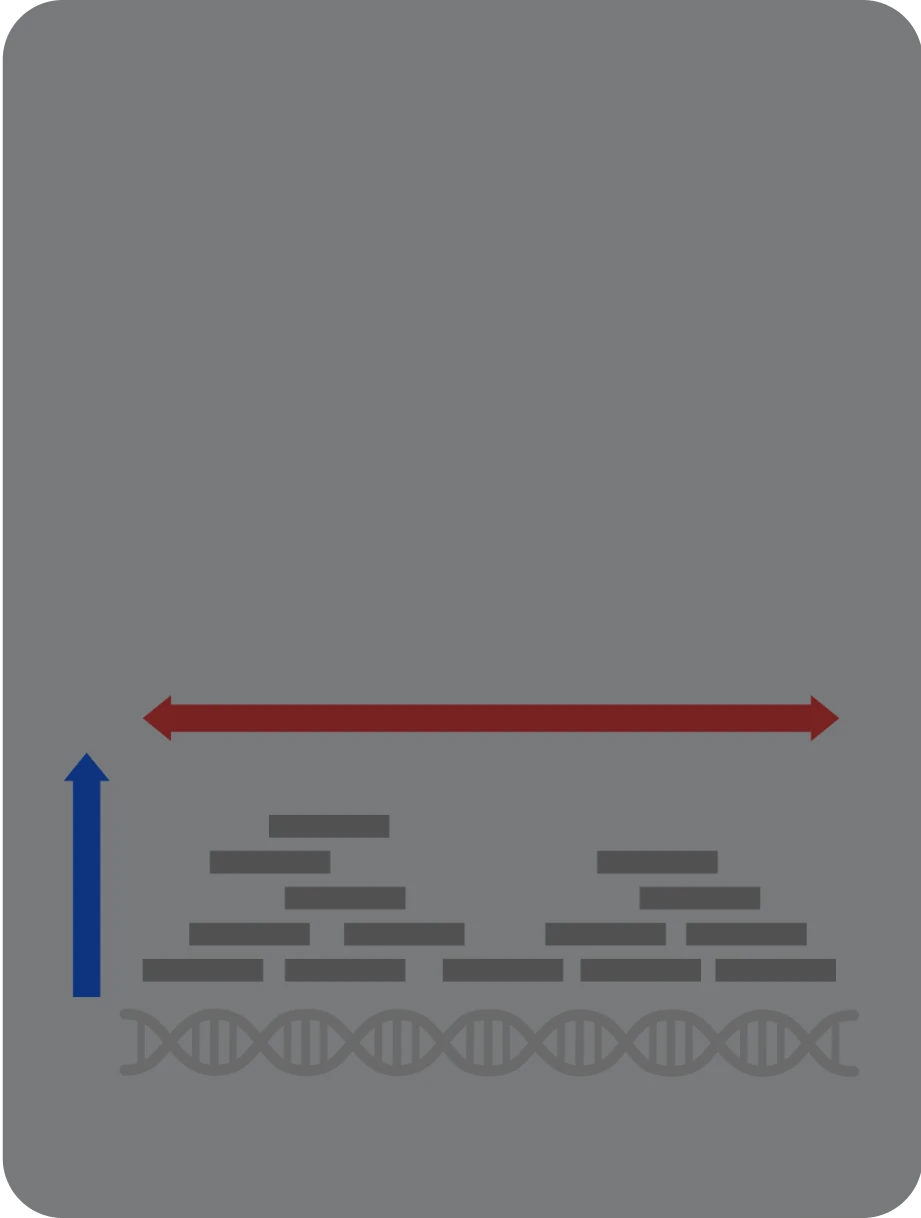
Sequencing Depth vs Coverage
Sequencing Depth vs Coverage Physicians and researchers often consider the comparison between sequencing depth and coverage when performing genetic or genomic analyses for several reasons. While these terms are related, they provide different insights into the quality and reliability of the sequencing data. Understanding their implications helps ensure accurate and meaningful results for clinical and research purposes.…
-
2024년 2월 29일, 오늘은 희귀질환의 날입니다
오늘은 2월 29일 희귀질환의 날입니다. 세계 인구 중 4%, 약 3억 명이 희귀질환을 앓고 있다고 알려져 있습니다. 하지만 사회적 인식과 전문가, 진단 및 치료 기술의 부족으로 인해 정확하게 진단 받고 적절한 약물과 재활 치료로 이어지는 경우는 매우 적은 상태입니다. 희귀질환의 날은 희귀 질환에 대해 연대하는 세계적인 운동으로, 사회적 기회, 의료, 그리고 희귀질환 환자들의 진단 및…
-

소아 안과 희귀질환 유전자 검사 이야기, 강남 세브란스 병원 한진우 교수님
슬기로운 진단생활은 희귀질환 환자를 마주하는 의사 선생님을 찾아가 현장의 이야기를 들어보는 기획 인터뷰입니다. 실제 임상 현장에서 희귀질환 유전자 검사가 어떻게 활용되고 있는지, 개선되어야 할 점은 어떤 것들이 있는지 청취하고 그를 바탕으로 좀 더 나은 서비스를 제공하고자 시작되었습니다. 두번째 손님은 강남 세브란스 병원 한진우 교수님입니다. 한진우 교수님은 소아 안질환 전문가이자 유전학 전문가입니다. 강남세브란스 병원에서 8월 29일…
-

Fabry disease: Interview with Dr. Ji-Hee Kim
3billion collaborates with pharmaceutical companies to help with personalized drug prescriptions. We will look into a few cases of patients who were diagnosed with Fabry disease in a diagnostic program for this disease operated through collaboration in 2022. The cases will be introduced through an interview with Professor Ji-Hee Kim who diagnosed Fabry disease. *This…
-

5 reasons patients with CA/DD/ID should get whole exome/genome sequencing tests
In 2021, the American College of Medical Genetics and Genomics (ACMG) suggested the following: “We strongly recommend that ES/GS be considered as a first- or second-tier test for patients with CA/DD/ID”, where ES/GS means exome sequencing and genome sequencing, respectively. Here, CA, DD, ID means congenital anomalies, developmental delay, and intellectual disability, respectively. There are two main…
-

Eye rare disease: Interview with Dr. Jinu Han
The third guest of Good Doctor Season 1 is Professor Jinu Han from Gangnam Severance Hospital. Professor Jinu Han is a specialist in pediatric eye diseases and genetics. He has been working towards improving diagnosis of rare eye disease patients with 3billion. Chief Business Officer (CBO) Genie Lee and Chief Medical Officer (CMO) Gohun Seo…
-
Validation of poor-quality pathogenic variants from next-generation sequencing results
Although whole exome sequencing (WES) can efficiently cover more than 90% of the protein coding sequence (CDS), some cases make it very difficult to accurately detect variants in the CDS region via WES using short reads1,2. Thus, we would like to discuss one of those cases. This patient, born in 1952, has shown recurrent falls,…
-
Reanalysis and reclassification, why are they important?
With the rapid development of genomic medicine and the increased use of WES/WGS tests, it is crucial to note the importance of continuous reanalysis versus one-time data analysis. Why? Results may change as more information accumulates. Through reanalysis, undiagnosed patients may be diagnosed, or former diagnosis results may become invalid. What is the difference between…
-
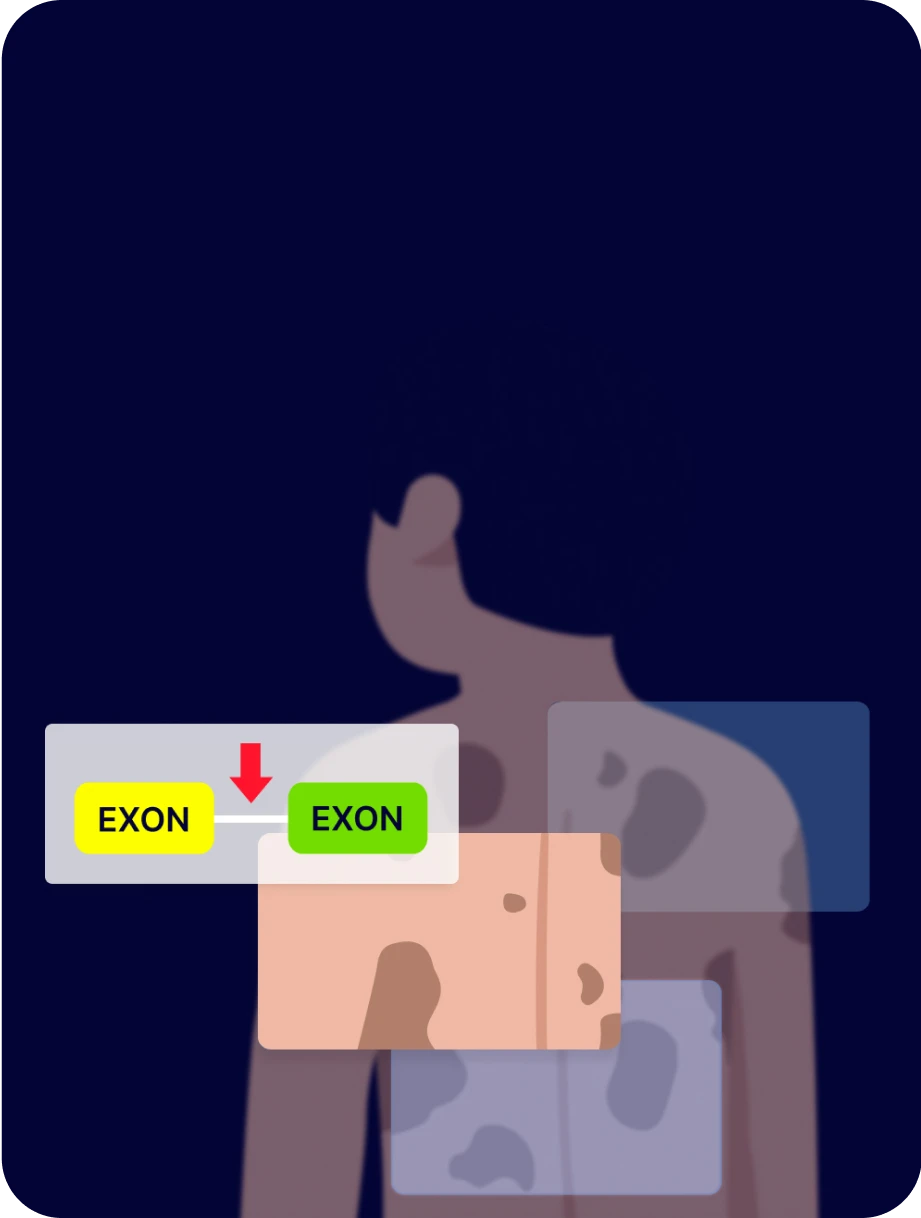
Type I Neurofibromatosis / NF1 intron case
Patient H was a 6-year-old Korean boy who was clinically suspected of having type I Neurofibromatosis. He presented with general symptoms of type 1 neurofibromatosis which was the presence of Multiple café-au-lait spots and no other family members were affected. The patient was ordered a single gene sequencing test in a separate clinical laboratory in…
-

제약사와 희귀질환 회사들은 어떻게 협력하나요?
현재까지 확인된 희귀질환은 약 7,000여 종 이상이지만 이 중 치료제가 있는 것은 단 5% 정도에 불과합니다. 희귀질환 치료제는 지금까지 의학적 효용이나 경제적 문제, 임상을 위한 환자군 모집의 어려움 등 여러 문제로 더디게 개발되었으나, 이에 변화를 주기 위해 1983년 미국 정부는 Orphan Druct Act(ODA)라는 법안을 발효시켜 희귀질환 치료제 개발에 다양한 혜택을 제공하기 시작했습니다. 2022년 9월 기준으로 희귀질환 치료제로…