[작성자:] Claire
-
Lissencephaly and LIS1/DCX Variants: What Genetic Testing Can Identify
Lissencephaly, meaning “smooth brain,” is a severe brain malformation caused by impaired neuronal migration during fetal development. The majority of cases have a genetic basis, with mutations in the LIS1 and DCX genes accounting for most diagnoses. Clinical features typically include severe developmental delay, intractable epilepsy, feeding difficulties, and spasticity. Diagnosis combines neuroimaging, primarily MRI,…
-

매끄러운 뇌, 활뇌증(Lissencephaly): LIS1·DCX 변이부터 유전자 검사까지
활뇌증은 태아 발달 중 신경세포 이동 장애로 인해 발생하는 심각한 뇌 기형입니다. 대부분의 사례는 유전적 원인을 가지며, LIS1 및 DCX 유전자 변이가 가장 많은 진단을 차지합니다. 주요 임상 특징으로는 심각한 발달 지연, 난치성 뇌전증, 수유 어려움, 경직 등이 있습니다. 진단은 뇌 구조를 시각화하기 위한 MRI와 같은 신경 영상과 근본 원인을 찾기 위한 유전자 검사를 결합하여…
-
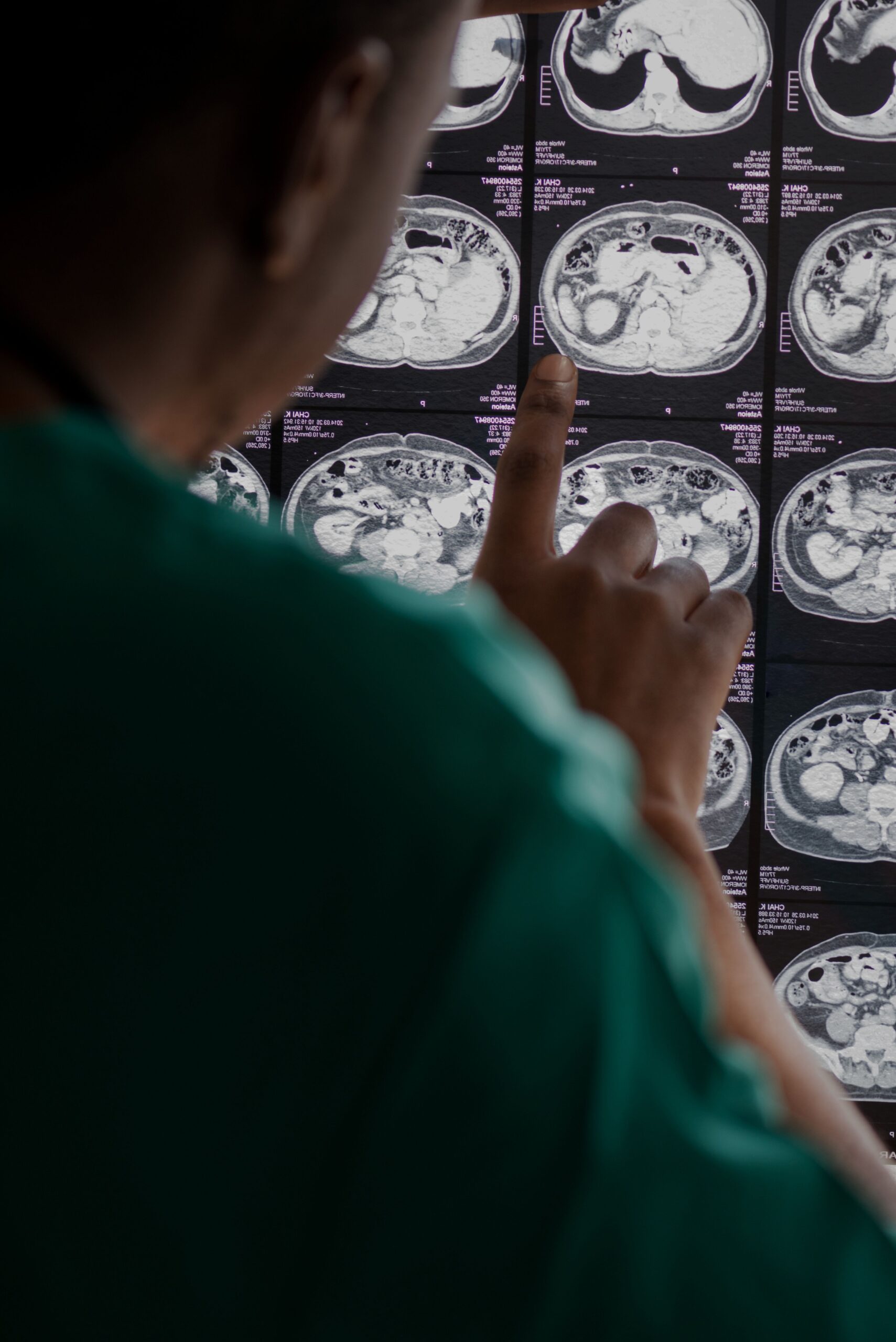
같은 유전자, 전혀 다른 양상 — 알렉산더병 1형과 2형
알렉산더병은 GFAP 유전자의 우성 기능획득 돌연변이로 인해 발생하는 희귀 진행성 퇴행성 신경질환입니다. 분류 체계는 기존의 연령 기반 시스템에서 임상 및 방사선학적 특징에 기반한 두 가지 유형(제1형, 제2형) 모델로 발전했습니다. 제1형은 일반적으로 영유아기에 대두증과 발작으로 나타나며, 제2형은 뇌간 및 척수 증상이 두드러지게 나타나며 발병 시기가 더 늦습니다. 알렉산더병은 뇌 속에 있는 성상세포라는 세포에 문제가 생겨 뇌가…
-
One Gene, Two Faces: The Subtypes of Alexander Disease
Alexander disease is a rare, progressive neurodegenerative disorder caused by dominant gain-of-function mutations in the GFAP gene. Classification has evolved from an age-based system to a two-type model (Type I and Type II) based on clinical and radiological features. Type I typically presents in early childhood with macrocephaly and seizures, while Type II has a…
-
적혈구가 낫 모양으로 변한다? 겸상적혈구병(Sickle Cell Disease) 이해하기
겸상적혈구병은 HBB 유전자의 단일 점 변이로 헤모글로빈 S가 만들어지면서 생깁니다. 산소가 빠진 상태에서 적혈구가 중합되어 낫 모양으로 변합니다. 상염색체 열성으로 유전됩니다. 병이 나타나려면 병을 일으키는 HBB 대립유전자가 두 개 있어야 하며, 한 개만 가진 이형접합 보인자는 겸상적혈구 형질을 갖습니다. 미국에서는 약 72,000명이 겸상적혈구병을 안고 살아가며, 약 200만 명이 겸상적혈구 형질 보인자입니다. 겸상적혈구병은 HBB 유전자의 병적…
-
Red Blood Cells Shaped Like a Sickle? Understanding Sickle Cell Disease
Sickle cell disease results from a single point mutation in the HBB gene that produces hemoglobin S, causing red cells to polymerize and sickle under deoxygenated conditions. It is inherited in an autosomal recessive pattern; two pathogenic HBB alleles are required for disease, while heterozygous carriers have sickle cell trait. In the United States roughly…
-

Klinefelter Syndrome: Why 62% of Cases Go Undiagnosed
Klinefelter syndrome (47,XXY) is the most common sex chromosome disorder in males, affecting roughly 1 in 600–650 male births. Despite this frequency, only about 38% of cases are ever diagnosed, and many are found only later in life. The phenotype spans testicular failure, tall stature, gynecomastia, learning and executive-function difficulties, and elevated metabolic and cardiovascular…
-
클라인펠터 증후군: 왜 62%가 진단되지 못할까?
클라인펠터 증후군(47,XXY)은 남성에게 가장 흔한 성염색체 질환으로, 남아 출생 약 600~650명 중 1명에게 나타납니다. 실제로 진단되는 경우는 약 38%에 불과하며, 대부분 뒤늦게 발견됩니다. 표현형은 고환 기능 저하, 큰 키, 여성형 유방, 학습 기능 저하, 그리고 대사·심혈관 위험까지 넓게 걸쳐 있습니다. 조기에 발견하면 남성호르몬 보충과 가임력 상담을 진행하고, 기대수명을 단축시키는 동반 질환도 미리 관리할 수 있습니다.…
-
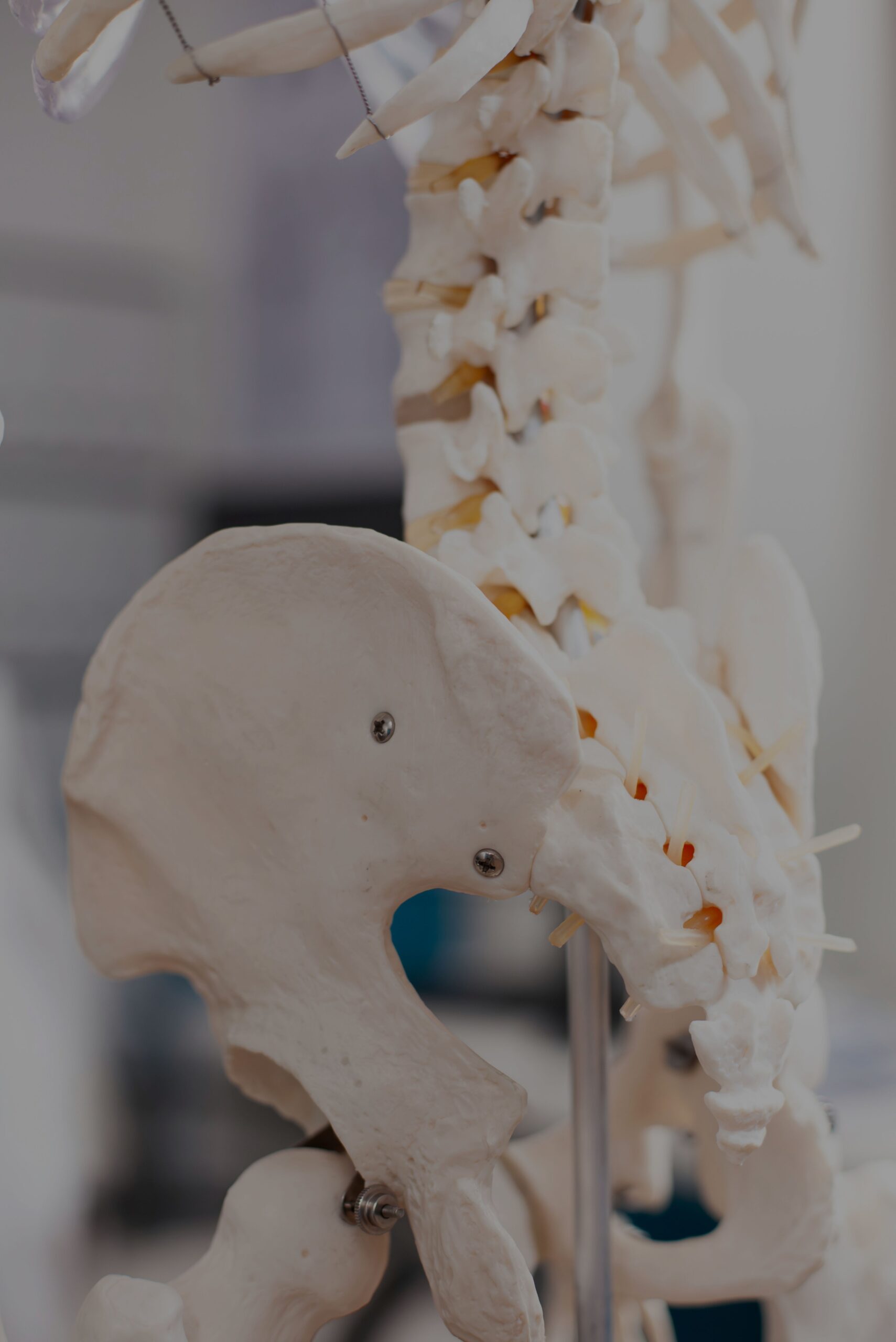
Osteogenesis Imperfecta: Genetic Testing Solves 98% of Typical Cases
Osteogenesis imperfecta (OI) is a heritable connective-tissue disorder of bone fragility, most often caused by dominant pathogenic variants in COL1A1 or COL1A2. OI affects roughly 6–7 per 100,000 people, with type I collagen genes accounting for about 80–85% of cases in Western populations. Molecular testing detects a causative variant in up to ~98% of individuals…
-
전형적 증상이라면 98%에서 원인을 찾았다, 골형성부전증 유전자검사
골형성부전증(OI)은 뼈가 쉽게 부러지는 유전성 결합조직 질환으로, 대부분 COL1A1 또는 COL1A2의 우성 병원성 변이로 생깁니다. OI는 인구 10만 명당 약 6~7명에게 나타나며, 서구권에서는 제1형 콜라겐 유전자가 전체 사례의 약 80~85%를 차지합니다. 전형적인 OI 표현형을 가진 사람에서는 분자 검사로 최대 약 98%에서 원인 변이를 찾아내, 진단을 확정하고 재발 위험을 파악할 수 있습니다. 골형성부전증은 뼈가 약해 자주…