[카테고리:] 블로그 (Blog)
-

유전체 신생아 선별검사(gNBS): 우리 아이의 유전적 위험을 빠르게 확인하고 대처할 수 있는 검사
최근 전 세계적으로 유전체 신생아 선별검사(genomic Newborn Sequencing, gNBS) 연구가 활발하게 진행되고 있습니다. 이는 겉보기에 건강한 신생아에게 잠재적인 유전 질환 위험을 조기에 진단하고 치료할 기회를 제공하는 혁신적인 접근법입니다. 이번 글에서는 gNBS가 무엇인지, 현재 전 세계적으로 어떻게 진행되고 있는지, 그리고 앞으로 나아가야 할 방향에 대해 논문을 바탕으로 자세히 알아보겠습니다. gNBS(유전체 신생아 선별검사)란 무엇이며, 그 목적은? gNBS는…
-

GEBRA™ Use Guide: Symptom Color Tag
The Symptom Color Tag in GEBRA™ provides a visual layer of interpretation that complements the numerical symptom similarity score displayed on each variant card. This feature allows users to understand how closely the patient’s clinical features align with the phenotypes associated with each candidate disease. Overview of the Symptom Color Tag Before any variant is…
-

GEBRA™ 사용 가이드: 증상 색상 태그(Symptom Color Tag)
GEBRA™의 증상 색상 태그(Symptom Color Tag)는 각 변이 카드에 표시되는 증상 유사도 점수를 보완하는 시각적 도구로, 환자의 임상 증상이 후보 질환의 표현형과 얼마나 일치하는지를 직관적으로 확인할 수 있도록 돕는 기능입니다. 증상 색상 태그란 무엇인가요? 변이를 선택하기 전에는 증상 패널의 모든 HPO 용어가 회색으로 표시됩니다.특정 변이를 선택하면 GEBRA™는 각 HPO 용어를 아래 세 가지 색상으로 구분하여…
-
3billion Re-analysis Part 3: Clinical Updates Expand Diagnosis – Case Sharing
Genomic testing is not a one-and-done procedure. Today, I would like to share two cases to explain why the addition and verification of clinical information are crucial in genomic analysis. 🧬 Clinical Data Changes, Interpretation Evolves — The Power of Reanalysis When clinical information is updated, the same genomic data can take on a completely…
-
임상 업데이트에 따라 진단은 계속 확장된다 – 사례로 살펴보기
유전체 검사는 한 번 시행한다고 끝나는 검사가 아닙니다.오늘은 두 가지 사례를 통해, 왜 유전체 분석에서 임상 정보 추가 및 확인이 중요한지 이야기해보려고 합니다. 임상은 변하고, 해석은 진화한다 — 재분석(Reanalysis)의 힘 임상 정보가 업데이트되면, 같은 유전체 데이터라도 완전히 다른 의미를 가질 수 있습니다.아래 두 사례는 ‘임상 정보 업데이트’가 해석에 어떤 영향을 미치는지 매우 명확하게 보여줍니다. Case…
-

근이영양증 1 DMPK 반복확장 사례
한 남아가 잠복고환(cryptorchidism)과 근육 약화를 보이며 내원하였습니다. 부모 모두 증상이 없었고 가족력도 없었습니다. 임상의는 선천성 근긴장이상증(congenital myotonic dystrophy)을 의심하였으며, 환아는 잠복고환과 전신적 근육 약화를 나타내었습니다. 부모는 비병적이었으며, 가족력은 없었습니다. 근긴장이상증(Myotonic dystrophy)은 골격근 및 평활근을 포함한 여러 기관계에 영향을 주는 질환으로, 시간이 흐르면서 점진적인 근육 소모와 약화를 특징으로 합니다. 환자는 근육의 이완이 지연되거나(myotonia), 말이 어눌해지거나 턱이…
-
제1형 신경섬유종증 NF1 인트론 진단 사례
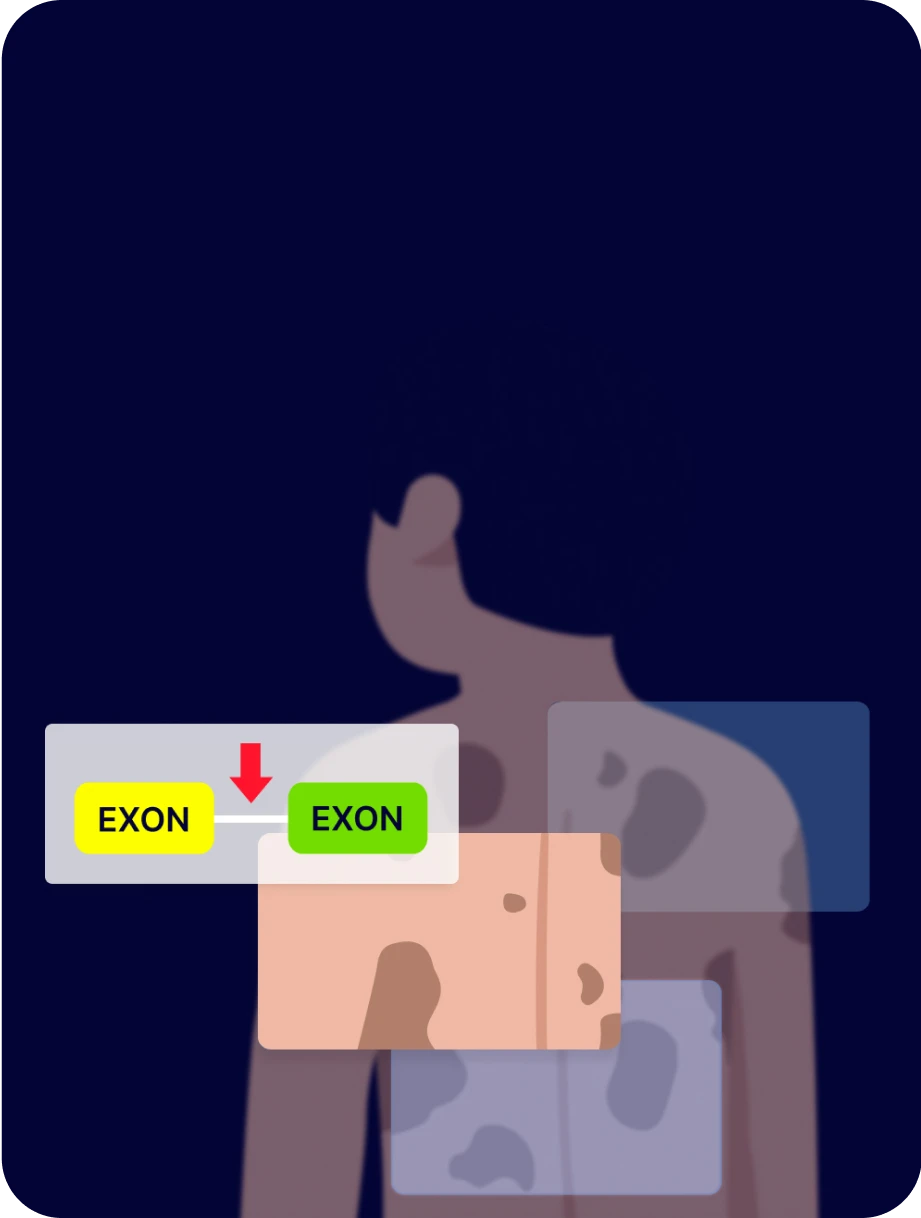
WGS로만 발견 가능한 NF1 Deep Intronic 변이: 한국인 6세 환아 사례 환자 H는 임상적으로 제1형 신경섬유종증(Neurofibromatosis Type 1, NF1)이 의심된 6세 한국인 남아였습니다. 다수의 café-au-lait 반점이 관찰되었으며, 가족력은 없었습니다. 최초로 타 기관에서 NF1 단일유전자 시퀀싱 검사를 시행하였으나 NF1 유전자의 코딩 영역에서는 병원성 변이가 확인되지 않았습니다. 이후 보다 심층적인 분석을 위해 3billion에 Whole Genome Sequencing(WGS) Trio…
-
유전상담 필수 가이드: 중증 유전질환 가계를 위한 PGT-M 활용과 최신 정책 변화
1. 가족 계획 상담의 첫걸음: 불안을 희망으로 바꾸는 유전상담 첫째 아이가 중증 유전질환으로 진단된 경우, 부모는 둘째 임신에 대한 높은 재발 위험과 불안을 안고 있습니다. 의료진은 이 시점에 정확하고 전문적인 유전상담을 제공하여 부모가 안전한 가족 계획을 수립할 수 있도록 안내해야 합니다. 2. 고위험 가계를 위한 가장 효과적인 대안: 착상 전 유전자 검사 (PGT-M) 재발생 위험을…
-

11월, 66명의 환자가 재분석을 통해 의미있는 결과를 받았어요!
2025년 11월에도 Inconclusive/Negative 리포트를 새롭게 받은 환자가 이렇게나 많아요.누가 어떻게 새로운 진단을 받았을까요? 유전체 검사를 한 번 했다고 진단이 끝났다고 생각하시나요?3billion은 ‘검사’ 그 자체보다 더 중요한 과정을 이야기합니다.바로 재분석입니다. 쓰리빌리언은 모든 불확정(Inconclusive) 또는 음성(Negative) 결과에 대해 자동화된 시스템으로 재분석을 진행하고 있습니다.이 과정은 거의 매일 진행되고 있죠. 단순히 다시 돌리는 것이 아니라 새로운 변이와 질환 데이터베이스와,…
-
66 Patients Found New Answers Through Reanalysis of Genetic Testing
Is a single genetic test result the end of the diagnostic journey?At 3billion, we believe diagnosis is an ongoing process. That’s why we focus not only on the test itself, but on what comes after:Reanalysis. For all cases previously reported as Inconclusive or Negative,3billion performs automated reanalysis through a continuous system.Each month, dozens of reports…