[태그:] 3billion
-
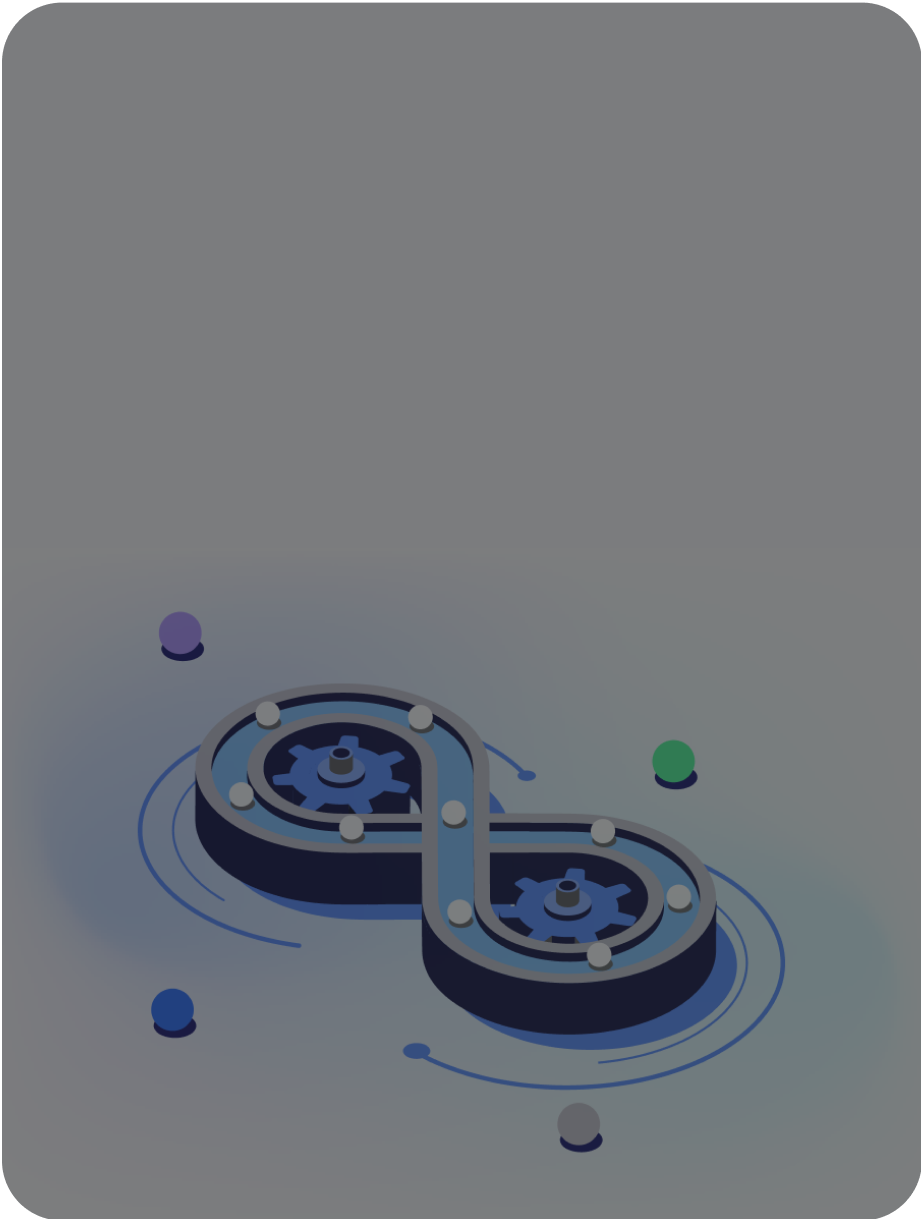
2026년 3월, 70명의 환자가 재분석을 통해 의미있는 결과를 받았어요!
70명. 2026년 3월에 3billion 재분석 기술을 통해 Inconclusive/Negative 리포트를 Positive로 다시 받은 환자 수입니다. 누가 어떻게 새로운 진단을 받았을까요? 유전체 검사를 한 번 했다고 진단이 끝났다고 생각하시나요? 3billion은 ‘검사’ 그 자체보다 더 중요한 과정을 이야기합니다. 바로 재분석입니다. 쓰리빌리언은 모든 불확정(Inconclusive) 또는 음성(Negative) 결과에 대해 자동화된 시스템으로 재분석을 진행하고 있습니다. 이 과정은 거의 매일 진행되고 있죠.…
-
Cleidocranial Dysplasia: Why Genetic Testing Matters and When to Consider It
📍 Key Takeaways 1. What is CCD: Core Clinical Phenotypes Cleidocranial Dysplasia (CCD) is an autosomal dominant rare skeletal dysplasia caused by RUNX2 gene variants, with a reported birth prevalence of approximately 1/1,000,000.[1] A systematic review of 283 CCD patients found dental anomalies — including supernumerary teeth and permanent tooth eruption failure — in over…
-
Cleidocranial Dysplasia: 유전자 검사, 언제 왜 필요할까?
📍핵심 요약 1. CCD 임상 개요: 핵심 표현형 쇄골두개골이형성증(Cleidocranial Dysplasia, CCD)은 RUNX2 유전자 변이로 발생하는 상염색체 우성 희귀 골격 이형성증으로, 출생 유병률은 약 1/1,000,000으로 보고됩니다.[1] 283명의 CCD 환자를 대상으로 한 연구에 따르면, 과잉치 및 영구치 맹출 장애를 포함한 치과적 이상은 환자의 93.5% 이상에서, 쇄골 이상 및 상악 저형성 등 골격 이상은 84.3% 이상에서 관찰됩니다.[2] 터키의…
-
What’s New in CHARGE Syndrome Research: A 2024–2026 Update
📍Key Takeaways A Well-Characterized Syndrome With Much Still to Learn CHARGE syndrome is a rare, complex congenital disorder most commonly caused by pathogenic variants in the CHD7 gene. The acronym reflects its cardinal features: Coloboma, Heart defect, Atresia of the choanae, Retardation of growth, Genital hypoplasia, and Ear anomaly/deafness. CHD7 was identified as the causative…
-
CHARGE Syndrome 연구의 최전선 : 2024~2026 무엇이 새로워졌을까
📍핵심 정리 CHARGE Syndrome, 아직 모르는 게 많습니다 CHARGE syndrome은 많은 경우에 CHD7 유전자의 병적 변이에 의해 발생하는 희귀 복합 선천성 증후군입니다. 명칭은 주요 특징의 앞 글자를 딴 것으로, Coloboma(눈 기형), Heart defect(심장 기형), Atresia of choanae(후비공 폐쇄), Retardation of growth(성장 지연), Genital hypoplasia(생식기 저형성), Ear anomaly/deafness(귀 기형/난청)를 가리킵니다. CHD7가 원인 유전자로 밝혀진 것은 2004년이었습니다.…
-
Genetic Variants Determine Prognosis: Genotype–Phenotype Correlations in Congenital and Infantile Nephrotic Syndrome
📍 Key Takeaways • More than 50% of CNS and infantile NS cases have a monogenic cause; four genes — NPHS1, NPHS2, WT1, and LAMB2 — account for two-thirds of all cases. • Even within the same gene, earlier onset (CNS) is associated with a more severe genotype and faster progression to renal failure. •…
-

Episode 4 Bardet-Biedl Syndrome (BBS): Beyond the Variant
📌 Series Introduction 이 시리즈는 AI 기반 유전변이 판독 도구가 보편화된 시대에, 자동화된 우선순위화 이후 판독자가 실제로 무엇을 이해하고 어떻게 판단해야 하는지에 초점을 맞춥니다. 각 편에서는 하나의 질환군을 중심으로, 유전적 기전과 임상 스펙트럼을 함께 살펴보며 변이를 “찾는 것”을 넘어 “설명하고 해석하는” 데 필요한 관점을 공유하고자 합니다. 이번 시리즈는 Bardet-Biedl Syndrome (BBS) 입니다. BBS는 하나의 질환으로…
-
Episode 4 Bardet-Biedl Syndrome (BBS): Beyond the Variant
📌 Series Introduction In an era where AI-based variant interpretation tools have become widely adopted, this series focuses on what human interpreters must still understand and decide after automated prioritization. Each episode centers on a specific disease group, examining genetic mechanisms and clinical spectra together, with the goal of moving beyond simply “finding variants” toward…
-
유전자 변이가 예후를 결정합니다 – 선천성·영아성 Nephrotic Syndrome의 Genotype–Phenotype 상관관계
📍핵심 정리 1. CNS·영아성 NS의 50% 이상은 단일유전자 원인을 가지며, NPHS1·NPHS2·WT1·LAMB2 4개 유전자가 전체의 2/3를 설명합니다.2. 같은 유전자 변이라도 발현 시점이 이를수록(CNS) 더 심한 유전형, 더 빠른 신부전 경과와 연관됩니다.3. Compound heterozygous NPHS1 변이, NPHS1/WT1 또는 NPHS1/NPHS2 digenic 변이는 이식 필요성과 강하게 연관됩니다.4. 유전자 검사 결과 없이는 스테로이드 반응성 예측, 이식 전략, 가족상담을 체계적으로 수행하기…
-
Resultados clave en el diagnóstico de enfermedades raras en México 2025
En 2025, 825 pacientes en México lograron alcanzar un diagnóstico definitivo para sus enfermedades raras a través de 3billion. Los pacientes con enfermedades raras suelen esperar un promedio de 4 a 6 años(Fatoumata Faye, 2024) antes de recibir un diagnóstico preciso. La mayoría pasa años recorriendo decenas de hospitales y sometiéndose a innumerables pruebas repetitivas,…