[작성자:] cms3billion
-

Whole Genome Sequencing for Rare Diseases
The Advent of Whole Genome Sequencing in Rare Disease Diagnostics Whole Genome Sequencing (WGS) has revolutionized the approach to diagnosing rare diseases. Unlike traditional methods that target specific genes, WGS analyzes the entire genome, offering a comprehensive view of an individual’s genetic makeup. This approach has significantly increased diagnostic yield, especially for complex or undiagnosed…
-

Why We Strive to Include Different Ethnic Groups in Rare Disease Research
Underrepresentation in medical research Historically, there has been underrepresentation of different groups in clinical studies. While recent efforts have been made to represent all members of society in medical research, women and different ethnic groups have been underrepresented for decades. Women make up 50.8% of the U.S. population, but only accounted for 41.2% of clinical…
-

Top Considerations When Selecting a Whole Genome Sequencing Lab (WGS Guide)
“Are you wrestling with the delicate balance between securing high-quality sequencing services and managing your budget constraints?” “Are you in search of a lab that provides more than just data, a partner who offers insightful interpretation and ongoing support for your research journey?” Today, we’re going to dive into that question with a guide to…
-

Mowat-Wilson syndrome: diagnosis story
Finally, we know the answer: Mowat-Wilson syndrome The story is about a 7-year-old young boy Nazheef, who had a global developmental delay with epilepsy, congenital heart defect and chronic constipation. He is the eldest among 3 siblings in the family, a product of non-consanguineous marriage. Mother is 35 years old, working as a nurse in…
-

Wilson Disease: Diagnosis story
A boy diagnosed with Wilson disease A few months ago, I received a phone call from a pediatric neurology specialist regarding one of his patients. I taught this specialist when he was an undergraduate and then when he was a master’s degree student at Sohag Medical School, and we have continued communicating. He knows I…
-
Different Types of Genetic Testing: What You Need to Know
Genetic testing refers to the entire testing of genes in chromosomes. Various types of genetic testing exist, such as paternity identification, genetic characteristics analysis, and diagnosis. DTC genetic test Direct-to-consumer (DTC) genetic tests are kits you can buy without a prescription from a healthcare provider. They’re marketed directly to consumers, usually online, and involve the…
-
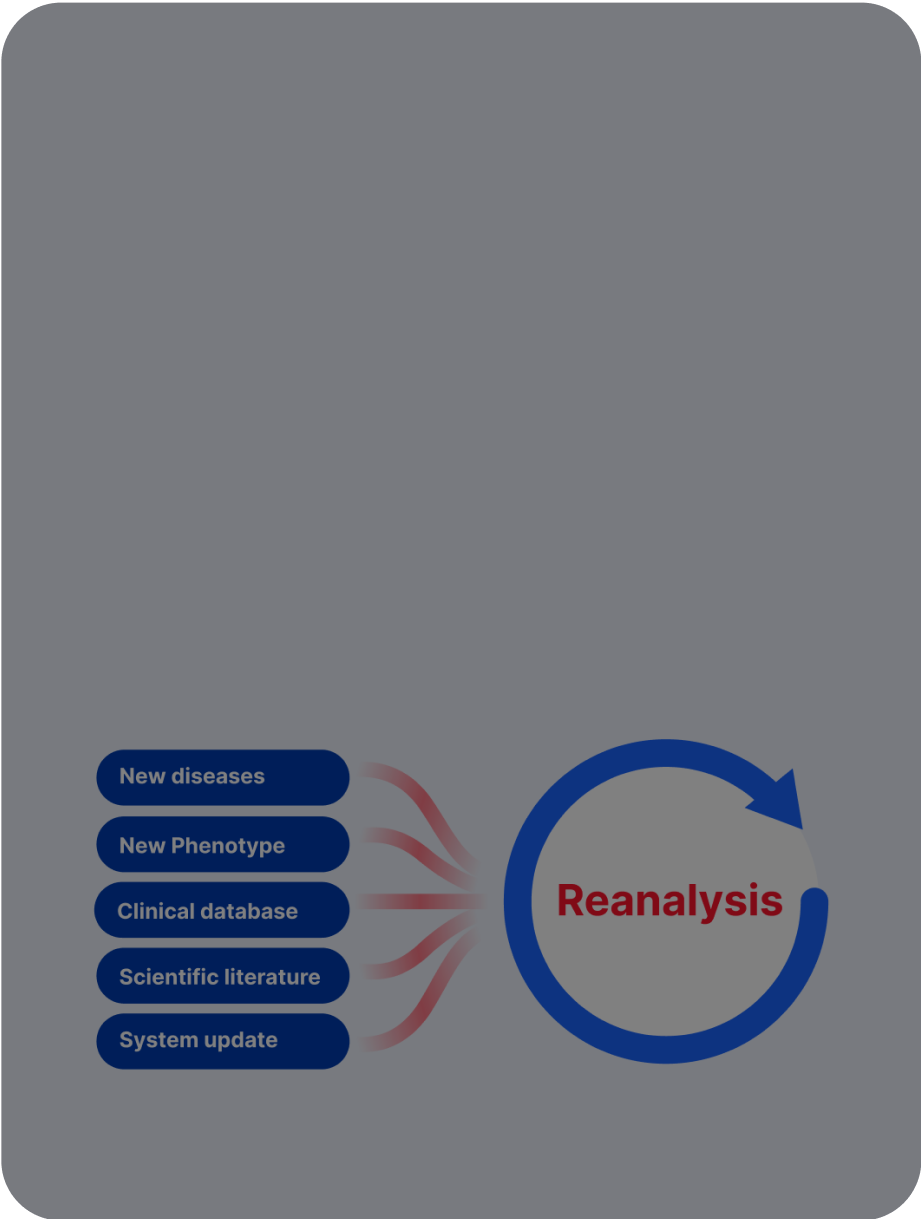
Why is Reanalysis of Genetic Data Important?
In the ever-evolving landscape of genetic testing, staying ahead of the curve and ensuring the utmost accuracy in diagnoses is paramount. One powerful tool that is increasingly gaining recognition in this regard is reanalysis sequencing data. But what exactly is reanalysis genetic data, and why is it so crucial? In this article, we explore the…
-

Clinical Genetic Testing and the Laboratory
Clinical genetic testing, also known as genetic diagnostics or molecular diagnostics, is a medical examination conducted to analyze a person’s DNA, genes, or chromosomes. It involves the identification and evaluation of genetic variations or mutations that may contribute to a particular disease or condition. There are many labs and companies that provide clinical genetic testing around…
-

Top 40 symptoms | Physicians Suspect Are Rare Diseases
What symptoms do physicians typically order for genetic testing for rare disease? Rare diseases may individually affect a small number of people, but collectively, they impact a significant portion of the population. As a company that helps diagnose rare genetic diseases, we usually meet new physicians or researchers from around the world. Some of them are…
-

Orphan drug discovery using genomic data and artificial intelligence
According to the statistics, orphan drugs accounted for 58% of the newly approved drugs in 2020 and the total sale of orphan drugs accounted for approximately 20% of the pharmaceutical market in the United States.1 Orphan drug sales are growing at a much faster rate (11.3% growth rate) than overall drug sales (6.4%).2 Advancement in the personalized…