
Duchenne muscular dystrophy, often shortened to DMD, is a rare genetic disorder characterized by the progressive loss of muscle function. It is the most common form of muscular dystrophy that begins in childhood. The condition almost exclusively affects boys, with symptoms typically emerging between the ages of two and five.
The root cause of DMD lies in a faulty gene. Specifically, mutations in the DMD gene on the X chromosome disrupt the production of dystrophin, a protein that acts as a shock absorber for muscle cells. Without functional dystrophin, muscles are easily damaged and gradually waste away, leading to the symptoms associated with the disease.
Frequently asked questions
What are the first signs of Duchenne?
The earliest signs of DMD often include delays in motor milestones like walking, a waddling gait, and difficulty running or jumping. Children may also show enlargement of the calf muscles and frequently use their hands to push off their thighs to stand (Gowers’ sign).
How is Duchenne muscular dystrophy inherited?
DMD is inherited in an X-linked recessive pattern. Because boys have only one X chromosome, a single mutated DMD gene will cause the condition. Girls have two X chromosomes, so a healthy copy on one can usually compensate for a faulty one on the other.
Can girls get Duchenne muscular dystrophy?
It is extremely rare for girls to have DMD. They can be carriers of the genetic mutation and may sometimes have milder symptoms, such as muscle weakness or heart problems. Full DMD in girls is possible but requires unusual genetic circumstances.
The Genetic Basis of DMD
To understand Duchenne muscular dystrophy, we must look at its genetic origins. The condition is caused by mutations in the DMD gene, which is one of the longest genes in the human genome. This gene contains the instructions for making dystrophin, a large protein crucial for muscle health.
Dystrophin is a key part of a protein complex that connects the internal structure of a muscle fiber to the surrounding tissue. You can think of it as a molecular shock absorber, protecting the muscle cell from damage during contraction and relaxation. When the DMD gene has a mutation, little to no functional dystrophin is produced. These mutations can range from large deletions of parts of the gene to smaller changes.
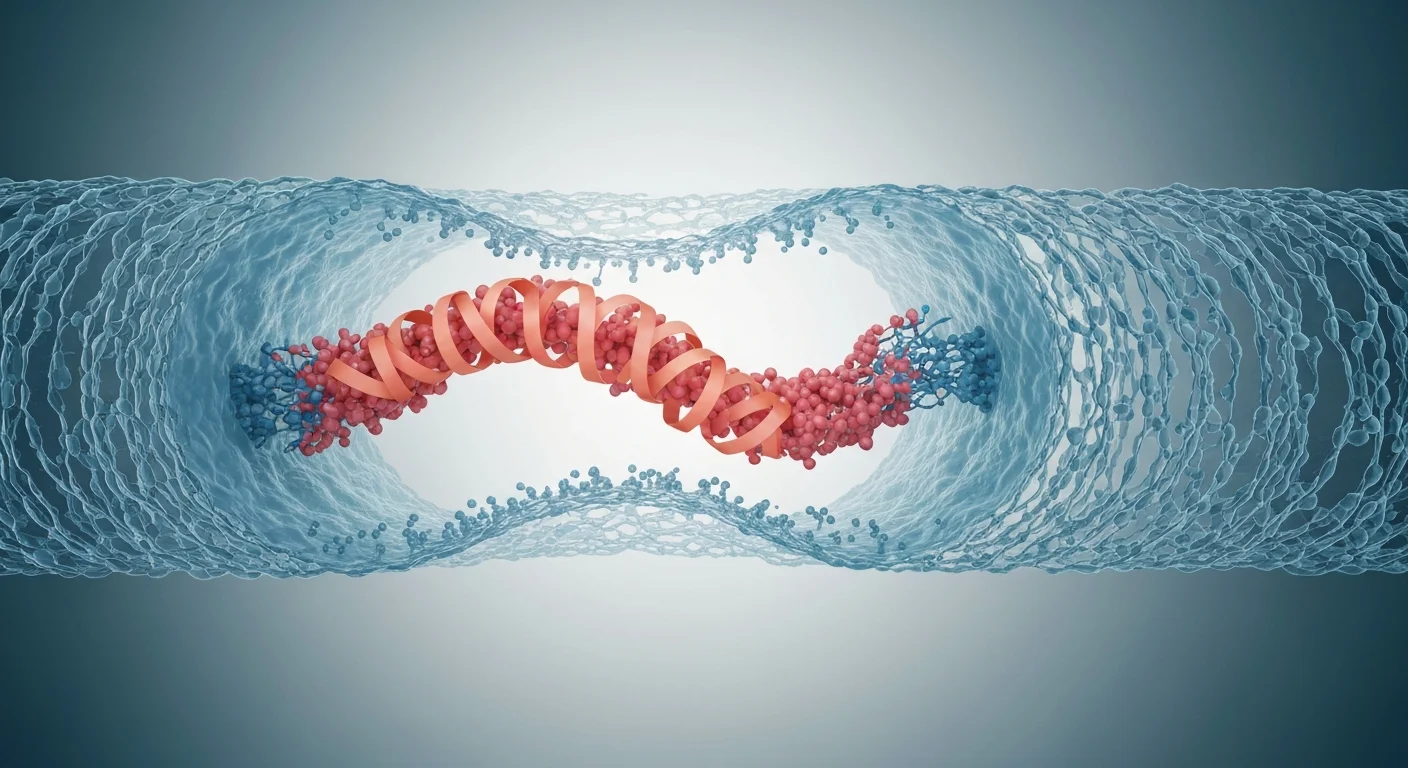
Without dystrophin, muscle cells become fragile and leak. Over time, this constant damage leads to inflammation and the death of muscle fibers, which are eventually replaced by scar tissue and fat. This process is what causes the progressive weakness that defines DMD.
Symptoms and Progression of Duchenne Muscular Dystrophy
The progression of DMD follows a relatively predictable pattern, although the severity and rate of decline can vary between individuals. The journey typically begins with subtle signs in early childhood.
Early Childhood Signs
Parents and pediatricians may first notice that a toddler is not meeting motor milestones at the same pace as his peers. Key signs in this stage include:
- Difficulty running, jumping, or climbing stairs
- A distinct waddling manner of walking
- Frequent falls
- Enlarged calf muscles, a condition known as pseudohypertrophy, where muscle tissue is replaced by fat and scar tissue
- The Gowers’ sign, where a child uses his hands to “walk up” his legs to rise from the floor
School-Age and Adolescence
As a child with DMD grows older, the muscle weakness becomes more pronounced. By the late elementary or early teen years, most individuals require a wheelchair for mobility. The weakness that initially affected the legs and pelvis begins to affect the arms, neck, and other areas.
During this time, other significant health issues can arise. These include scoliosis (a curvature of the spine) and contractures, which are the tightening of muscles and tendons around joints. The most serious complications involve the heart and breathing muscles. Cardiomyopathy (weakness of the heart muscle) and respiratory insufficiency are nearly universal in the later stages of DMD, as described in GeneReviews’ comprehensive overview.
How Genetic Testing Confirms a DMD Diagnosis
A diagnosis of DMD often starts with a physical exam and a blood test. A simple blood test can reveal highly elevated levels of creatine kinase (CK), an enzyme that leaks out of damaged muscles. While high CK levels strongly suggest a muscular dystrophy, they are not specific to DMD.
Diagnosis is confirmed through genetic testing, which can identify the specific mutation in the DMD gene responsible for the disease.
Reaching a diagnosis of Duchenne muscular dystrophy can take a long time. Understanding the genetic cause is an important first step toward accessing the right treatment, support, and potential new therapies. Click the button below to learn more about how genetic testing works.
답글 남기기
댓글을 달기 위해서는 로그인해야합니다.