[카테고리:] 블로그 (Blog)
-

AAAS Gene and Triple A Syndrome: A Plain-Language Guide
The AAAS gene carries instructions for a protein called ALADIN; when both copies are faulty, a rare condition called Triple A syndrome can develop. Triple A syndrome has three classic signs: no tears (alacrima), swallowing trouble (achalasia), and weak adrenal glands (adrenal insufficiency). The condition is inherited in an autosomal recessive way, meaning a child…
-
![[Baby Care #9] First 72 Hours of Pregnancy Symptoms: What Really Happens](https://d15q5w6b9vqac5.cloudfront.net/wp-content/uploads/2026/08/12225916/young-asian-woman-looking-pregnancy-test-scaled.jpg)
[Baby Care #9] First 72 Hours of Pregnancy Symptoms: What Really Happens
There are no reliable pregnancy symptoms in the first 72 hours because implantation and hormone production have not yet begun. Implantation typically happens 6 to 12 days after ovulation, and the pregnancy hormone hCG appears only around 6 to 8 days later. True early signs like a missed period or nausea usually start weeks after…
-
[Baby Care #9] 임신 초기 72시간 증상, 실제로 무슨 일이 일어날까
임신 초기 72시간에는 믿을 만한 임신 증상이 없습니다. 아직 착상도, 호르몬 생성도 시작되지 않았기 때문입니다. 착상은 보통 배란 후 6~12일에 일어나고, 임신 호르몬인 hCG는 그로부터 약 6~8일이 지나야 나타납니다. 생리를 거르거나 메스꺼움을 느끼는 것 같은 진짜 초기 신호는 대개 수정 후 몇 주가 지나서 시작되며, 첫 3일 안에 나타나지 않습니다. 이 시기에 가장 도움이 되는…
-

Legius Syndrome: The NF1 Mimic Hiding in Café-au-Lait Macules
Legius syndrome is an autosomal dominant condition caused by heterozygous loss-of-function mutations in SPRED1, producing multiple café-au-lait macules and skin-fold freckling without the tumors seen in NF1. Roughly half of affected individuals meet NIH clinical criteria for neurofibromatosis type 1, so genetic testing is often the only reliable way to distinguish the two in children.…
-
레지우스 증후군: 카페오레 반점 속에 숨은 NF1 모방 질환
레지우스 증후군은 SPRED1 유전자의 이형접합 기능상실 변이로 생기는 상염색체 우성 질환으로, 여러 개의 카페오레 반점과 피부 주름 부위 주근깨가 나타나지만 NF1에서 보이는 종양은 생기지 않습니다. 환자의 약 절반이 제1형 신경섬유종증(NF1)의 NIH 임상 기준을 충족하기 때문에, 소아에서 두 질환을 확실히 구별하는 방법은 사실상 유전자 검사뿐인 경우가 많습니다. 레지우스 증후군에는 리쉬 결절, 신경섬유종, 시신경 경로 신경교종, NF1…
-
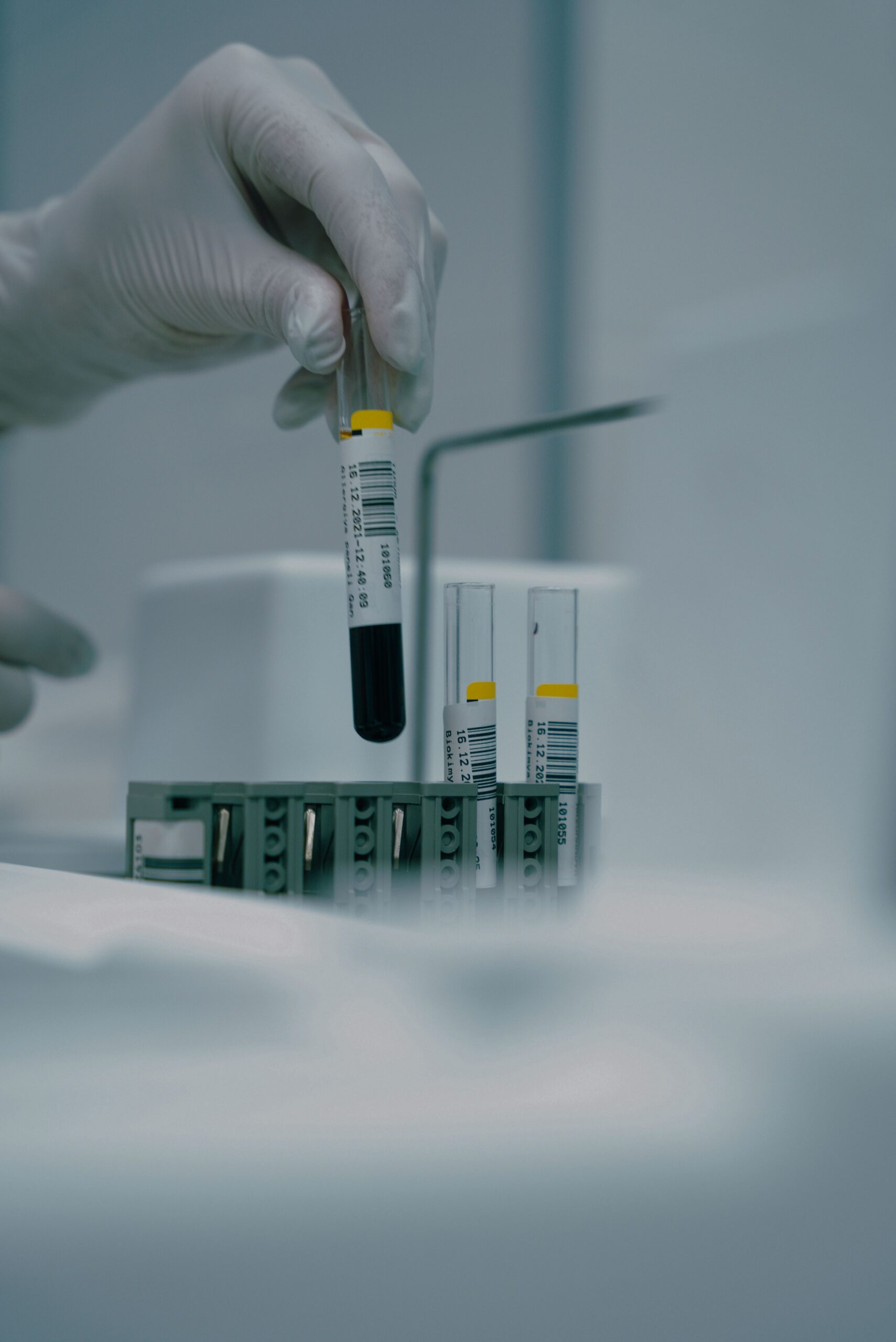
Trio Testing: What It Is and When to Consider It
📍Key Takeaways What Trio Testing Is Whole exome sequencing (WES) and whole genome sequencing (WGS) can be performed as a trio, which includes samples from the proband together with both parents. In the trio approach, each variant detected in the proband is compared directly against the genotypes of both parents. This single comparison changes the…
-
트리오(trio) 검사가 무엇이고, 언제 필요한가요?
📍Key Takeaways 트리오 검사란 무엇인가 전장 엑솜 시퀀싱(WES) 또는 전장 유전체 시퀀싱(WGS)은 발단자(proband)와 부모 검체를 함께 포함하는 트리오 방식으로 시행할 수 있습니다. 트리오 방식에서는 발단자에서 검출된 변이를 부모 두 명의 유전형과 직접 대조합니다. 이 대조 한 단계가 변이 해석의 성격을 바꿉니다. 단독 검사에서 변이 하나가 검출되면, 그 변이가 부모에게서 유래한 것인지 새로 발생한 것인지를 별도의…
-
Episode 12: Marfan Syndrome — Why Does a Single FBN1 Variant Cause Systemic Disease?
Marfan syndrome is an autosomal dominant connective tissue disorder caused by pathogenic variants in the FBN1 gene. Prevalence is estimated at 1 in 5,000–10,000, and the most life-threatening complication is aortic dissection. FBN1 causes disease through two mechanisms: ① a structural mechanism that weakens microfibril architecture, and ② a TGF-β signaling mechanism that drives excessive…
-
Episode 12: 마르판 증후군, 왜 FBN1 하나의 변이가 전신 질환을 만드는가?
마르판 증후군(Marfan syndrome)은 FBN1 유전자의 병원성 변이로 발생하는 상염색체 우성 결합조직 질환입니다. 유병률은 약 5,000~10,000명당 1명이며, 가장 치명적인 합병증은 대동맥 박리(aortic dissection)입니다. FBN1은 ① 미세섬유(microfibril) 구조를 약화시키는 구조적 기전과 ② TGF-β 신호전달을 과활성화시키는 기전, 두 가지 경로로 질환을 일으킵니다. 같은 FBN1 유전자라도 변이 위치(도메인)에 따라 마르판 증후군 외에 Weill-Marchesani syndrome, Acromicric dysplasia 등 다른 fibrillinopathy가…
-

Sick Sinus Syndrome: Genetics, Incidence, and Clinical Clues
Sick sinus syndrome (SSS) is a group of sinoatrial node disorders causing inappropriate bradycardia, sinus pauses, and bradycardia–tachycardia patterns. Incidence rises steeply with age—roughly 73% higher risk per 5-year increment—making it a leading indication for permanent pacemaker implantation. A minority of cases are inherited, driven by variants in genes such as SCN5A and HCN4 that…