[카테고리:] 블로그 (Blog)
-
ACMG Secondary Finding v3.3이 발표되었습니다
ACMG Secondary Finding 완전 정리: 84개 유전자 리스트와 환자 동의 이유까지 살펴봅시다. Secondary Finding (이차 발견)이 무엇인가요? 골절 때문에 찍은 엑스레이 검사에서 우연히 암으로 추정할 수 있는 혹을 발견하는 것과 비슷한 이치입니다. 이차 발견에는 어떤 유전자들이 포함되어 있나요? 이차 발견에 포함되는 유전자는 누가 정하나요? 이차 발견 분석 전 왜 검사 대상자의 동의가 반드시 필요한가요? 따라서…
-
How 3billion’s Diagnostic Models Are Transforming Rare Disease Testing
🧬 Part of the Decoded Series: Behind Our Diagnostic Technologies Welcome to Decoded, a series where we break down 3billion’s patented technologies into clear, understandable stories. Each post in this series explores the innovations behind our diagnostics—how they work, why they matter, and how they ultimately improve patient outcomes. In this edition, we revisit a…
-
Measuring Symptom Similarity: Setting Standards for Accurate Rare Disease Diagnosis
🧬 Part of the Decoded Series: Technical Insights from 3billion In rare disease diagnosis, every symptom matters—but not all tools measure them equally well. Physicians often begin their diagnostic process with symptoms, while AI tools tend to focus on genes. Bridging these two worlds requires models that accurately understand and score symptom similarity. But how…
-
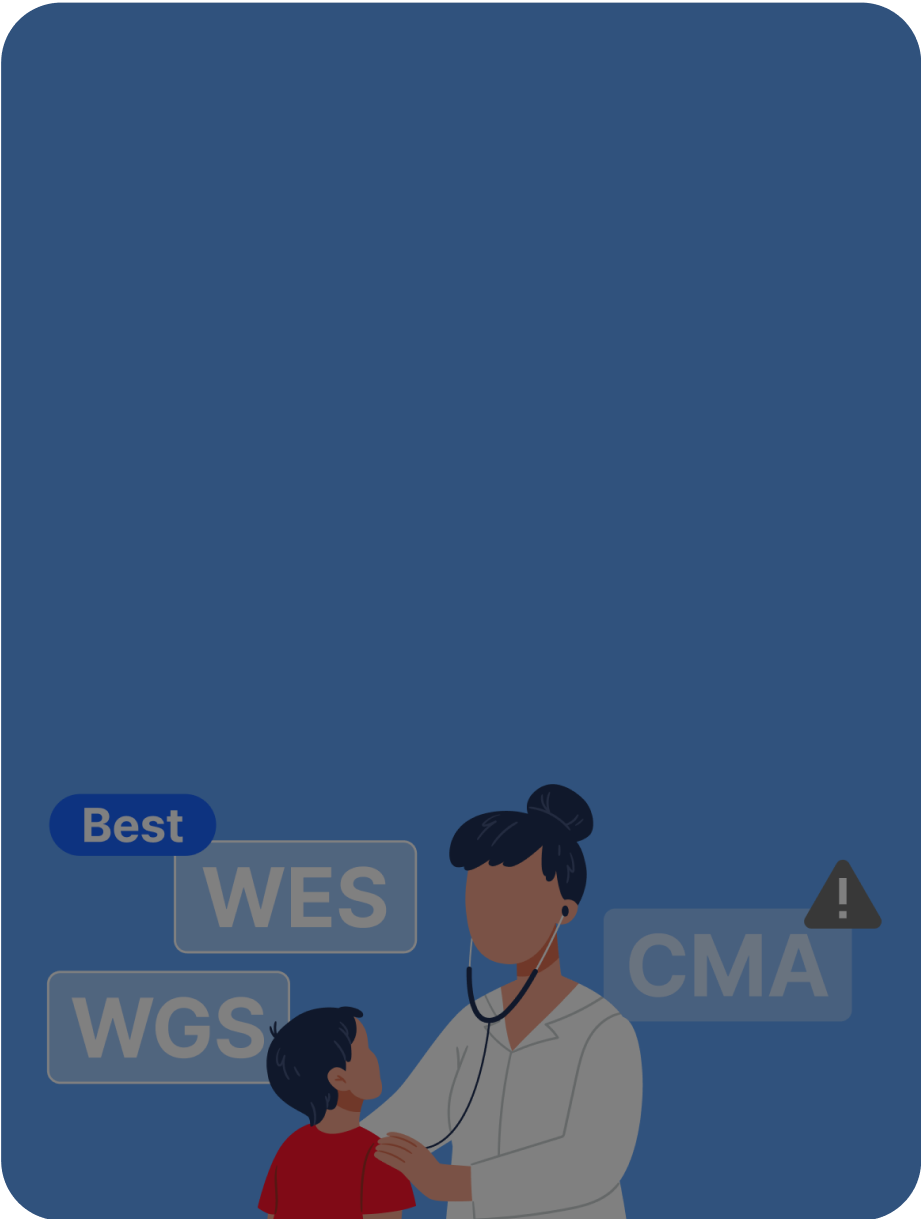
🧬 발달 지연 아동, 꼭 마이크로어레이(CMA)부터 검사해야 할까요?
WES/WGS가 1차 진단 도구로 주목받는 이유에 대해 알아보아요. 발달 지연이나 지적 장애(GDD/ID) 아동의 유전 진단, 어디서 시작해야 할까요? 전반적 발달 지연(GDD) 또는 지적 장애(ID)를 가진 소아를 평가할 때, 많은 임상의들은 특이 증후군이 없는 경우 CMA(마이크로어레이)를 먼저 시행해왔습니다.이는 오랫동안 CMA가 구조적 염색체 이상 탐지에 강점을 보였고, 분석이 비교적 간단하며 우연 발견(incidental finding)의 가능성도 낮기 때문입니다. 하지만…
-
🧬 Should CMA still come first in developmental delay?
Why whole exome or genome sequencing(WES/WGS) is increasingly considered as a first-tier diagnostic tool What should we consider first when evaluating children with GDD/ID? When evaluating children with global developmental delay (GDD) or intellectual disability (ID), many clinicians are accustomed to starting with chromosomal microarray (CMA), especially in the absence of syndromic features. However, the…
-

의료진을 위한 유전자 검사 실무 강의 시리즈, 오픈했습니다
유전자 검사는 이제 소아과, 신경과, 내과, 가정의학과 등 다양한 진료과에서 필수적인 도구로 자리잡고 있습니다. 그러나 많은 의사들에게 있어 유전체 데이터를 진료에 적극적으로 활용하는 것은 여전히 쉽지 않은 과제입니다. 차세대 염기서열 분석(NGS)의 접근성이 높아졌음에도 불구하고, 기술과 실제 활용 사이에는 여전히 큰 간극이 존재합니다. 이러한 현실적인 어려움을 해결하고자, 쓰리빌리언은 2025년 새로운 유전학 온라인 교육 프로그램을 시작합니다.희귀질환 유전자…
-

Step Into Genetics — Beginner to Advanced Courses for Clinicians
Genetic testing is becoming an essential tool across clinical specialties—from pediatrics and neurology to internal medicine and general practice. Yet for many physicians, applying genomic data in patient care remains a challenge. Despite increased access to next-generation sequencing (NGS), a significant gap persists between the availability of technology and the confidence to use it effectively.…
-
환자의 “증상과 연관된 원인 변이”를 분석한다는 게 무슨 말인가요?
병원에서 진행되는 유전자 검사는 “A”라는 증상을 가진 환자에게 “B”라는 질환을 의료진이 의심하고, B와 연관된 “C” 유전자(들)을 선별하여 검사하는 것이 일반적입니다. 그 동안 잘 이해해주셨다면, 쓰리빌리언 검사는 뒤 2단계를 의료진이 하실 필요 없다는 것을 아실 겁니다. 즉, 환자의 증상만 제대로 살펴서 주문 시 넣어주시면 저희는 20,000여개 유전자의 엑솜과 mtDNA 서열 내에 존재하는 변이와의 연관성을 한 번에…
-
Can Genetic Test Results Vary for the Same Patient?
Yes—even if the same patient takes the same exome sequencing test, the results can differ depending on several key factors. This might sound surprising, but it’s a reality in clinical genetics that many patients and healthcare providers are not aware of. Understanding why these differences occur is essential when choosing the best genetic testing lab…
-

Gene Coverage in WES: The Hidden Gaps Clinicians Should Know
When choosing a genetic testing method, many clinicians and researchers turn to Whole Exome Sequencing (WES) for its broad coverage and cost-efficiency. In a previous article, we explored the differences between targeted panels and WES, concluding that WES can (almost) encompass the scope of most NGS panels. But here comes the natural follow-up question: Does…