[카테고리:] 블로그 (Blog)
-
Genetic Variants Determine Prognosis: Genotype–Phenotype Correlations in Congenital and Infantile Nephrotic Syndrome
📍 Key Takeaways • More than 50% of CNS and infantile NS cases have a monogenic cause; four genes — NPHS1, NPHS2, WT1, and LAMB2 — account for two-thirds of all cases. • Even within the same gene, earlier onset (CNS) is associated with a more severe genotype and faster progression to renal failure. •…
-
Beyond the Variant: Interpreting Genetic Diseases in the AI Era – Episode 4 Bardet-Biedl Syndrome (BBS)
📌 Series Introduction 이 시리즈는 AI 기반 유전변이 판독 도구가 보편화된 시대에, 자동화된 우선순위화 이후 판독자가 실제로 무엇을 이해하고 어떻게 판단해야 하는지에 초점을 맞춥니다. 각 편에서는 하나의 질환군을 중심으로, 유전적 기전과 임상 스펙트럼을 함께 살펴보며 변이를 “찾는 것”을 넘어 “설명하고 해석하는” 데 필요한 관점을 공유하고자 합니다. 이번 시리즈는 Bardet-Biedl Syndrome (BBS) 입니다. BBS는 하나의 질환으로…
-
Beyond the Variant: Interpreting Genetic Diseases in the AI Era – Episode 4 Bardet-Biedl Syndrome (BBS)
📌 Series Introduction In an era where AI-based variant interpretation tools have become widely adopted, this series focuses on what human interpreters must still understand and decide after automated prioritization. Each episode centers on a specific disease group, examining genetic mechanisms and clinical spectra together, with the goal of moving beyond simply “finding variants” toward…
-
유전자 변이가 예후를 결정합니다 – 선천성·영아성 Nephrotic Syndrome의 Genotype–Phenotype 상관관계
📍핵심 정리 1. CNS·영아성 NS의 50% 이상은 단일유전자 원인을 가지며, NPHS1·NPHS2·WT1·LAMB2 4개 유전자가 전체의 2/3를 설명합니다.2. 같은 유전자 변이라도 발현 시점이 이를수록(CNS) 더 심한 유전형, 더 빠른 신부전 경과와 연관됩니다.3. Compound heterozygous NPHS1 변이, NPHS1/WT1 또는 NPHS1/NPHS2 digenic 변이는 이식 필요성과 강하게 연관됩니다.4. 유전자 검사 결과 없이는 스테로이드 반응성 예측, 이식 전략, 가족상담을 체계적으로 수행하기…
-
Resultados clave en el diagnóstico de enfermedades raras en México 2025
En 2025, 825 pacientes en México lograron alcanzar un diagnóstico definitivo para sus enfermedades raras a través de 3billion. Los pacientes con enfermedades raras suelen esperar un promedio de 4 a 6 años(Fatoumata Faye, 2024) antes de recibir un diagnóstico preciso. La mayoría pasa años recorriendo decenas de hospitales y sometiéndose a innumerables pruebas repetitivas,…
-
Key Diagnostic Outcomes from Mexico in 2025
In 2025, 825 patients received rare disease diagnoses through 3billion in Mexico. Rare disease patients wait an average of 4 to 6 years(Fatoumata Faye, 2024) before receiving an accurate diagnosis. Most spend years cycling through dozens of hospitals and undergoing countless repeated tests, only to be told the cause remains unknown. Mexico is no exception…
-
진단 방랑을 끝낸 멕시코 사례들: 2025년 주요 진단 결과 공개
2025년, 멕시코에서 쓰리빌리언을 통해 825명의 환자가 희귀질환 진단을 받았습니다. 희귀질환 환자는 정확한 진단을 받기까지 평균 4~6년(Fatoumata Faye, 2024)이 걸립니다. 수십 곳의 병원을 전전하고, 수없이 많은 검사를 반복하면서도 ‘원인 불명’이라는 답만 돌아오는 경우가 대부분입니다. 멕시코도 예외가 아닙니다. 오히려 더 가혹한 현실이 기다리고 있습니다. 멕시코 희귀질환 진단의 현실 희귀질환의 약 80%는 유전적 원인을 갖습니다. 즉, 유전자 검사가…
-
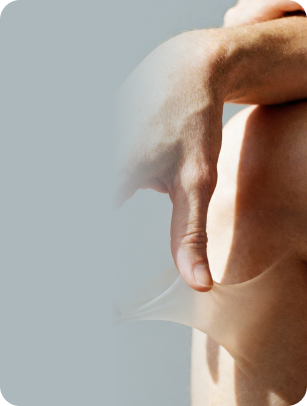
Beyond the Variant: Interpreting Genetic Diseases in the AI Era – Episode 3 Ehlers-Danlos Syndrome (EDS)
Episode 3 Ehlers-Danlos Syndrome (EDS): Causes, Genetics, Molecular Mechanisms, and Clinical Features 📌 Series Introduction In an era where AI-based variant interpretation tools have become widely adopted, this series focuses on what human interpreters must still understand and decide after automated prioritization. Each episode centers on a specific disease group, examining genetic mechanisms and clinical spectra…
-
Beyond the Variant: Interpreting Genetic Diseases in the AI Era – Episode 3 Ehlers-Danlos Syndrome (EDS)
📌 Series Introduction 이 시리즈는 AI 기반 유전변이 판독 도구가 보편화된 시대에, 자동화된 우선순위화 이후 판독자가 실제로 무엇을 이해하고 어떻게 판단해야 하는지에 초점을 맞춥니다. 각 편에서는 하나의 질환군을 중심으로, 유전적 기전과 임상 스펙트럼을 함께 살펴보며 변이를 “찾는 것”을 넘어 “설명하고 해석하는” 데 필요한 관점을 공유하고자 합니다. Ehlers-Danlos syndrome(EDS)은 콜라겐과 세포외기질(ECM)의 이상으로 발생하는 유전성 결합조직 질환군입니다.…
-
Genetic Checkpoints After Down Syndrome Diagnosis: What Clinicians Should Not Miss
Karyotype testing remains the gold-standard first-line diagnostic tool for confirming Down syndrome (DS). It reliably identifies Trisomy 21 and detects Robertsonian translocations, and in the majority of patients presenting with a typical phenotype, karyotyping alone is sufficient. That said, karyotyping has well-recognized structural limitations. Low-level mosaicism may go undetected with standard G-banding. Submicroscopic copy number…